Introduction
In the ever-evolving landscape of healthcare, staying abreast of brand-new strategies and technologies is vital. This requirement is specifically real in crucial care environments, where the ability to take care of a client's air passage and air flow can mean the difference between life and death. As medical care specialists, acquiring the necessary skills in airway and ventilation management is not just beneficial; it's vital. In this thorough overview, we will discover ventilation training courses developed especially for health care professionals looking to raise their skills in this essential area.
Why Is Ventilation Training Important?
Understanding exactly how to successfully make use of ventilators is essential, especially when handling individuals that have actually endangered respiratory system feature. The significance of ventilator training for nurses and various other healthcare providers can not be overemphasized. Appropriate training makes sure that medical professionals can evaluate a client's requirements precisely and deliver proper interventions swiftly.
Elevate Your Skills: Top Ventilation Training Training Courses for Health Care Professionals
In our deep study ventilation training courses, we will examine numerous offerings readily available globally that cater to different expert requirements, from basic to advanced degrees. We'll check out course frameworks, content, certification choices, and more.
1. Summary of Ventilation Training
What Is Ventilation Training?
Ventilation training encompasses numerous educational programs designed to show healthcare experts exactly how to run ventilators properly and take care of clients requiring respiratory assistance. This consists of comprehending various settings of ventilation, interpreting ventilator settings, and recognizing issues connected with mechanical ventilation.
The Duty of Ventilators in Client Care
Ventilators are indispensable devices in contemporary medicine, usually used in emergency circumstances or throughout surgical procedures where patients can not breathe separately. Understanding just how these makers function permits healthcare providers to provide much better care.
2. Sorts Of Ventilation Training Courses
Basic Ventilator Course
A basic ventilator course commonly covers fundamental principles such as:

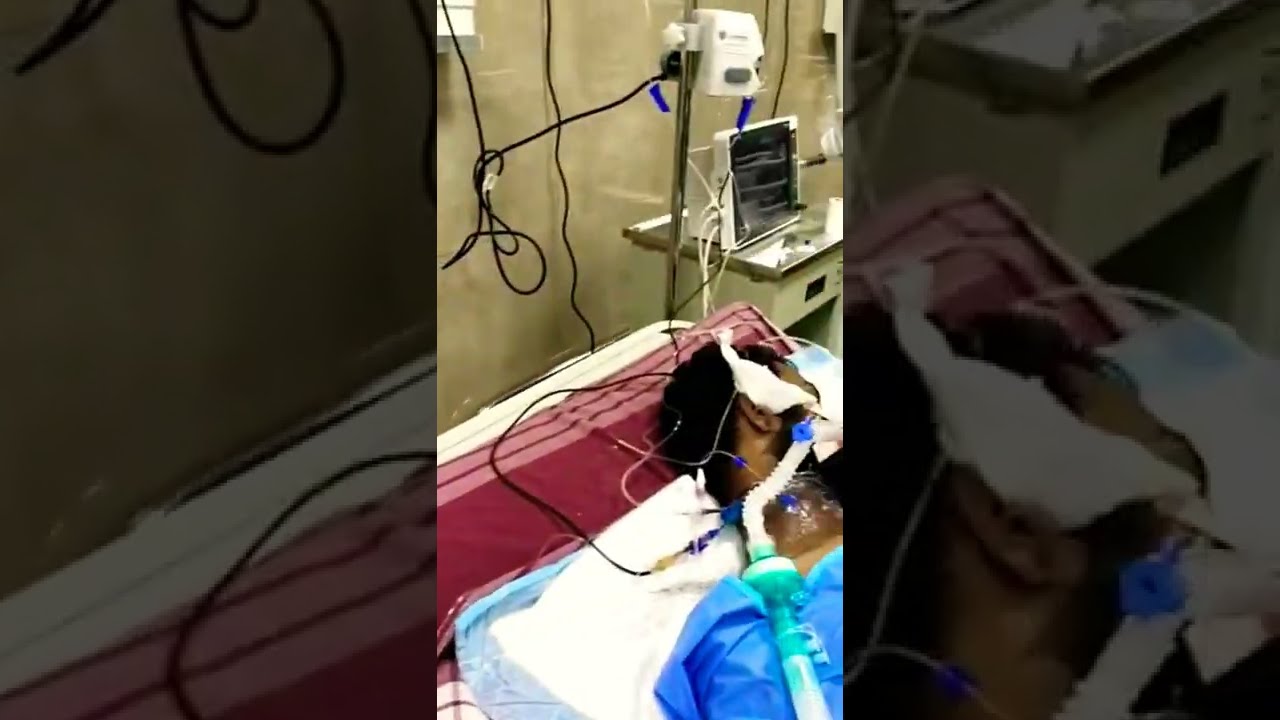
- Understanding the composition of the respiratory system The technicians of breathing Basic modes of mechanical ventilation Hands-on practice with ventilator equipment
Course Structure
Most fundamental ventilator training courses include both academic lessons and useful sessions utilizing simulation equipment.
Advanced Ventilator Training
For those looking for more advanced expertise, courses concentrating on complicated air flow techniques are available. These usually include:
- Advanced setups like ventilator stress support Management techniques for ARDS (Intense Respiratory Distress Syndrome)
Learning Outcomes
Participants can expect to gain effectiveness in using advanced attributes on modern-day ventilators to enhance person outcomes.
3. Specialized Air Flow Courses
Tracheostomy and Ventilator Training
This specialized training course focuses on handling people who call for tracheostomies along with mechanical Get more info air flow. Trick parts include:
- Indications for tracheostomy Care methods for tracheostomy patients Advanced air passage administration techniques
NDIS Air flow Course
The NDIS (National Special Needs Insurance Plan) stresses tailored techniques for people with disabilities requiring specialized air flow support. This course covers:
- Patient-centered care practices Coordination with multidisciplinary teams Managing home-based air flow systems
Target Audience
Healthcare workers involved in community health services will find this training course specifically beneficial.
4. Selecting the Right Course
Factors to Consider When Picking a Course
When picking a ventilation training program, consider the following:
Level of Experience: Are you a novice or a seasoned practitioner? Course Content: Does it cover what you need? Format: Is it online or hands-on? Accreditation: Is the program acknowledged by pertinent authorities?5. Popular Institutions Offering Ventilation Training
University-Based Programs
Many colleges use detailed programs that incorporate classroom learning with scientific practice.
University X-- Provides both basic and innovative courses. University Y-- Focuses on NDIS-related training.Advantages
University programs typically give academic debt which can be helpful for career advancement.
Online Platforms
Online systems like Coursera or Udacity additionally provide versatility with various programs on respiratory tract monitoring and ventilation.
Pros & & Cons
While online styles permit self-paced discovering, they might do not have hands-on experience unless paired with regional workshops.
6. Practical Applications of Knowledge Gained
Implementing Abilities at Work
Upon conclusion of any training course, participants need to feel great executing their newly gotten abilities within their work environment settings-- be it healthcare facilities or exclusive practices.
Case Studies
Real-life scenarios are usually gone over during training sessions which help highlight sensible applications effectively.
7. Frequently Asked Questions Concerning Air Flow Training
1. What is ventilator support?
Ventilator assistance refers to mechanical assistance supplied by ventilators that aid maintain appropriate respiration in people incapable to breathe separately because of disease or injury.
2. That needs ventilation training?
Healthcare experts such as registered nurses, respiratory therapists, and paramedics profit significantly from ventilation training as a result of their functions in client treatment including respiratory system assistance systems.
3. How much time do these courses typically take?
The duration varies-- standard training courses might last a day or 2 while innovative or customized programs can extend over a number of weeks depending on deepness and complexity.
4. Are there requirements for enrollment?
Prerequisites usually depend upon the degree of the program; standard training courses generally need no prior experience while sophisticated ones might necessitate some foundational understanding about breathing therapy.
5. Can I get certified after completing a course?
Yes! Many institutions use accreditation upon conclusion which validates your experience in handling respiratory tract and ventilation effectively.
6. How usually need to I refresh my knowledge?
It's suggested to revitalize your expertise every number of years through additional training courses or workshops since standards and innovations consistently evolve within the field.

Conclusion
Elevating your abilities through devoted ventiation training is not simply an investment in your profession; it's a financial investment in patient security and top quality treatment delivery within healthcare systems worldwide. By checking out diverse possibilities from standard ventilator training courses up to specialized NDIS-related trainings, you're sure to tracheostomy care and ventilator training find something that fits your expert requirements perfectly!
Whether you're simply starting or wanting to deepen your existing data base, remember that every course completed brings you one step better to becoming an expert in respiratory tract management and air flow-- skills essential not only for your career yet also for enhancing client outcomes across different settings.
So why wait? Explore these top-rated programs today!